

JAMMARK INTERNATIONAL TRADINGE(ZIBO) CO., LTD. is one of the most professional manufacturers and suppliers of tea polyphenols in China. If you're going to buy high quality tea polyphenols made in China, welcome to get more information from our factory. For price consultation, contact us.
Product information
| Tea Polyphenols Test Item | Index |
| CAS NO. | 84650-60-2 |
| Molecular Formula | C11H9N3NAO2 |
| Molecular Weight | 238.20 |
| Content | ≥98.0% |
| Moisture Content | ≤5.0% |
Product use
Antioxidant
Tea polyphenols, primarily composed of polyhydroxy phenolic compounds with two or
more adjacent hydroxyl groups, possess strong hydrogen-donating capabilities, making
them an ideal antioxidant. Among the four major catechins, their antioxidant capacity
ranks as follows:
EGCG > EGC > ECG > EC. As an antioxidant for oily foods, tea polyphenols exhibit
exceptional antioxidant properties, far surpassing the efficacy of synthetic antioxidants
such as butylated hydroxytoluene (BHT) and butylated hydroxyanisole (BHA). The antioxidant
effects of green tea extract can be applied in meat processing, oil storage, and the production
of baked goods, dairy products, and fried foods. They are also used in the formulation of
various beverages. For instance, adding tea polyphenol antioxidants when freezing fresh
fish can prevent the oxidation of fish fats.
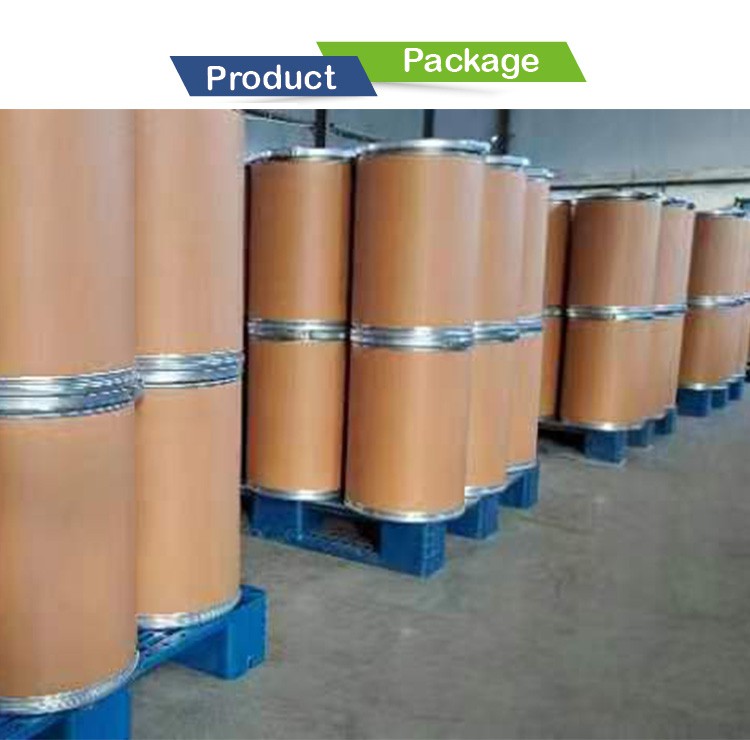
Product packaging
25kg/Drum (25kg Net Weight, 28kg Gross Weight.
Food Preservative
Tea polyphenols exhibit inhibitory activity against nearly a hundred types of bacteria
found in nature, demonstrating broad-spectrum antimicrobial properties, making them
an excellent food preservative. As a preservative, green tea extract can slow down the
biochemical activities of fruits and vegetables after harvest, delaying their ripening process.
Additionally, preservatives formulated with tea polyphenols can prevent discoloration and
spoilage in various pastries, lactic acid beverages, and processed livestock products.

Food Color Stabilizer
The oxidation of pigments can alter the color of food. Tea polyphenols, with their strong
reducing properties, can prevent natural pigments (such as carotene, chlorophyll, safflower
yellow, vitamin B2, and carmine) from fading due to photo-oxidation, thereby stabilizing
these pigments to some extent.
Food Deodorant
Bad breath is primarily caused by volatile sulfur-containing and nitrogen-containing
compounds, with hydrogen sulfide and methyl mercaptan being the most pungent. Chewing
gum containing green tea extract has ten times the deodorizing power of regular chewing
gum. For physiological bad breath, chewing for 3 minutes can show noticeable effects.
Moreover, adding 0.1% green tea extract to alcohol and beverages can create products
with deodorizing functions. These beverages and alcohol also exhibit significant deodorizing
effects on bad breath caused by compounds like methyl mercaptan.
Daily Use Products
Green tea extract, as an excellent additive for cosmetics and daily products, offer several
notable effects: strong antibacterial properties (including against skin and oral pathogens)
and inhibition of oxidative enzymes (such as tyrosinase, glucosyltransferase of Streptococcus
mutans, ornithine decarboxylase, and lipoxygenase). They can prevent skin diseases, skin
allergies, skin pigmentation, wrinkles, dental caries, tooth stains, periodontitis, and bad
breath.
Additionally, they protect the skin from sun damage and eliminate bad breath.Therefore,
tea polyphenols can be used in cosmetics and daily products as antioxidants,
preservatives, anti-wrinkle agents, skin whitening agents, anti-radiation agents, sunscreen
agents, and special cosmetic additives. They are also applied in daily products such as
bath soap, body wash, shampoo, detergents, toothpaste, tooth powder, mouthwash, and
anti-bad breath agents, enhancing the functionality of these products.

Medical Field
Tea polyphenols can lower blood pressure, prevent blood clotting, reduce blood lipids
and obesity, prevent atherosclerosis and thrombosis, lower blood sugar, manage diabetes,
and exhibit antibacterial and antiviral properties. They can also prevent gastrointestinal,
respiratory, and flu-related diseases, protect against hepatitis, delay aging, and enhance
immune function. Additionally, they promote dental health, prevent periodontitis, dental
caries, and detoxify, among other benefits.
Hot Tags: tea polyphenols, China, suppliers, manufacturers, factory, buy, price, made in China, how is dipentaerythritol made, and levulinic acid, Acrylic acid, anionic polyacrylamide apam , pyromellitic dianhydride sigma, nonionic polyacrylamide chemical