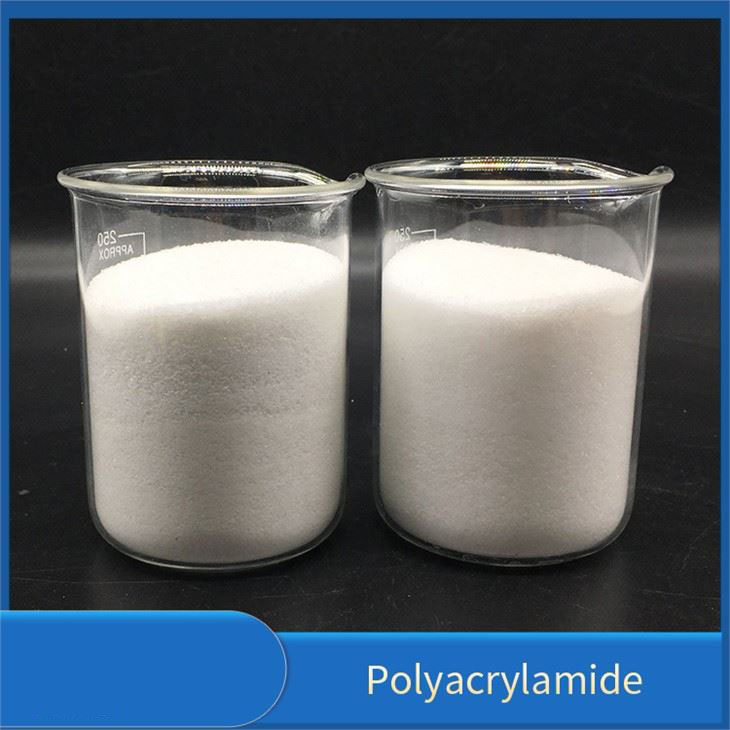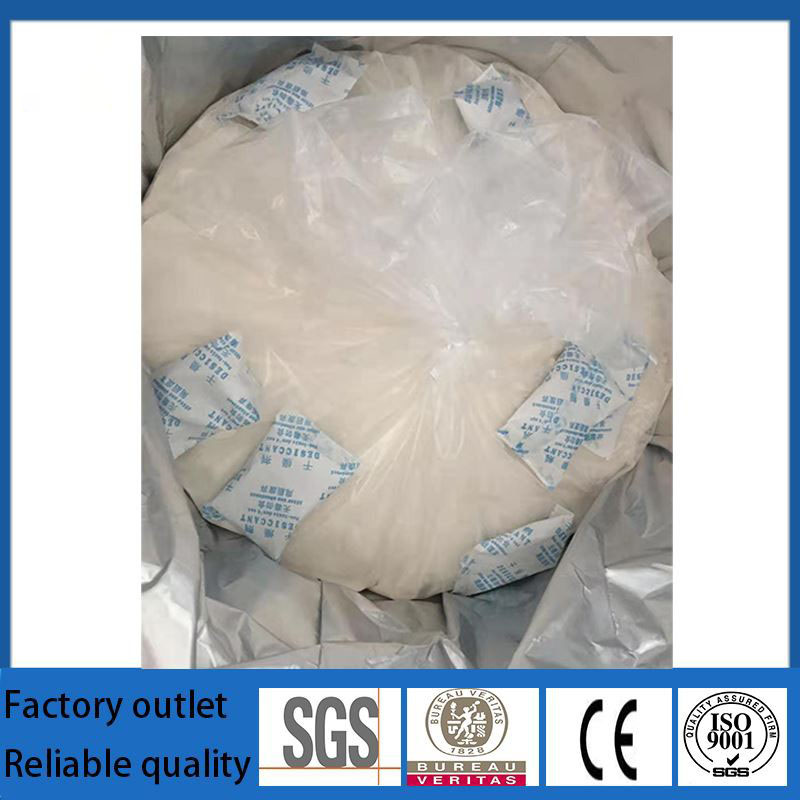

As a supplier of Anionic Polyacrylamide, one of the most common questions I get asked is, "Can anionic polyacrylamide be mixed with other chemicals?" Well, the short answer is, it depends. In this blog, I'll break down the facts, share some insights, and give you all the info you need to make informed decisions.
Understanding Anionic Polyacrylamide
First off, let's talk a bit about what Anionic Polyacrylamide is. It's a water - soluble polymer that's widely used in various industries like water treatment, papermaking, and mining. Anionic polyacrylamide has a negative charge on its polymer chains, which allows it to interact with positively charged particles in suspension. This property makes it an excellent flocculant. You can find more about Anionic Polyacrylamide on our website Anionic Polyacrylamide.
Mixing with Other Chemicals: The Basics
When it comes to mixing anionic polyacrylamide with other chemicals, there are a few key factors to consider.
Compatibility
The first thing to think about is chemical compatibility. Anionic polyacrylamide is negatively charged, so it's generally not a good idea to mix it with cationic chemicals. Cationic chemicals have a positive charge, and when you mix them with anionic polyacrylamide, the positive and negative charges will attract each other. This can lead to a reaction called "coagulation" or "precipitation," where the polymers clump together and lose their effectiveness. For example, if you're using Cationic Polyacrylamide in a process, don't try to mix it directly with anionic polyacrylamide.
On the other hand, anionic polyacrylamide can often be mixed with nonionic chemicals. Nonionic chemicals have no charge, so they're less likely to react with the anionic polyacrylamide. Nonionic Polyacrylamide is a good example of a nonionic chemical that can sometimes be used in combination with anionic polyacrylamide, depending on the specific application.
pH Levels
The pH of the solution also plays a crucial role. Anionic polyacrylamide works best in a certain pH range. In general, it's more stable and effective in slightly acidic to neutral pH conditions. If you're mixing it with other chemicals that change the pH of the solution significantly, it can affect the performance of the anionic polyacrylamide. For instance, if you add a strong acid or base to the solution where anionic polyacrylamide is present, it might cause the polymer to break down or lose its flocculating ability.
Concentration
The concentration of both the anionic polyacrylamide and the other chemicals matters. If you mix too much of one chemical with another, it can lead to over - dosing, which can be wasteful and may even cause problems in the process. For example, if you add too much anionic polyacrylamide to a solution that already has a high concentration of another chemical, it might create excessive flocculation, leading to clogging in pipes or filters.
Applications and Mixing Scenarios
Let's look at some common applications and see how anionic polyacrylamide might be mixed with other chemicals.
Water Treatment
In water treatment, anionic polyacrylamide is often used to remove suspended solids from water. It can sometimes be mixed with other water treatment chemicals like coagulants (such as aluminum sulfate or ferric chloride). These coagulants help to neutralize the charges on the suspended particles, and then the anionic polyacrylamide can come in and form larger flocs, making it easier to separate the solids from the water. However, the order of addition is important. Usually, the coagulant is added first to destabilize the particles, and then the anionic polyacrylamide is added to promote flocculation.
Mining
In the mining industry, anionic polyacrylamide is used for tailings dewatering. It can be mixed with other chemicals used in the mining process, such as pH adjusters (like lime or sulfuric acid) to control the pH of the slurry. But as mentioned earlier, care must be taken to ensure that the pH remains within the optimal range for the anionic polyacrylamide to work effectively.
Safety Considerations
When mixing anionic polyacrylamide with other chemicals, safety is always a top priority. Make sure you follow all the safety guidelines provided by the chemical manufacturers. Wear appropriate personal protective equipment (PPE), such as gloves, goggles, and a lab coat. Also, make sure to conduct any mixing experiments in a well - ventilated area.
Testing and Quality Assurance
Before using a mixture of anionic polyacrylamide and other chemicals on a large scale, it's crucial to conduct small - scale tests. This allows you to see how the chemicals interact with each other and whether the desired results are achieved. You can also monitor the quality of the mixture over time to ensure that it remains stable and effective.
Conclusion
So, can anionic polyacrylamide be mixed with other chemicals? The answer is that in some cases, yes, but it requires careful consideration of factors like compatibility, pH levels, and concentration. By understanding these factors and conducting proper testing, you can use anionic polyacrylamide in combination with other chemicals to achieve optimal results in your industrial processes.
If you're interested in purchasing Anionic Polyacrylamide or have any questions about how it can be used in your specific application, don't hesitate to reach out. We're here to provide you with the best products and expert advice to meet your needs.
References
- Chemical Compatibility Handbook for Water Treatment Chemicals
- Studies on the Interaction between Polyacrylamide Polymers and Other Chemicals in Mining Processes
- Best Practices for Anionic Polyacrylamide Application in Papermaking Industry