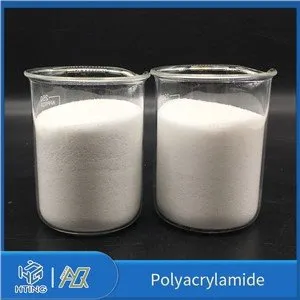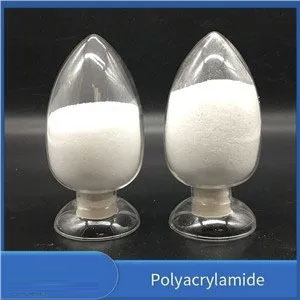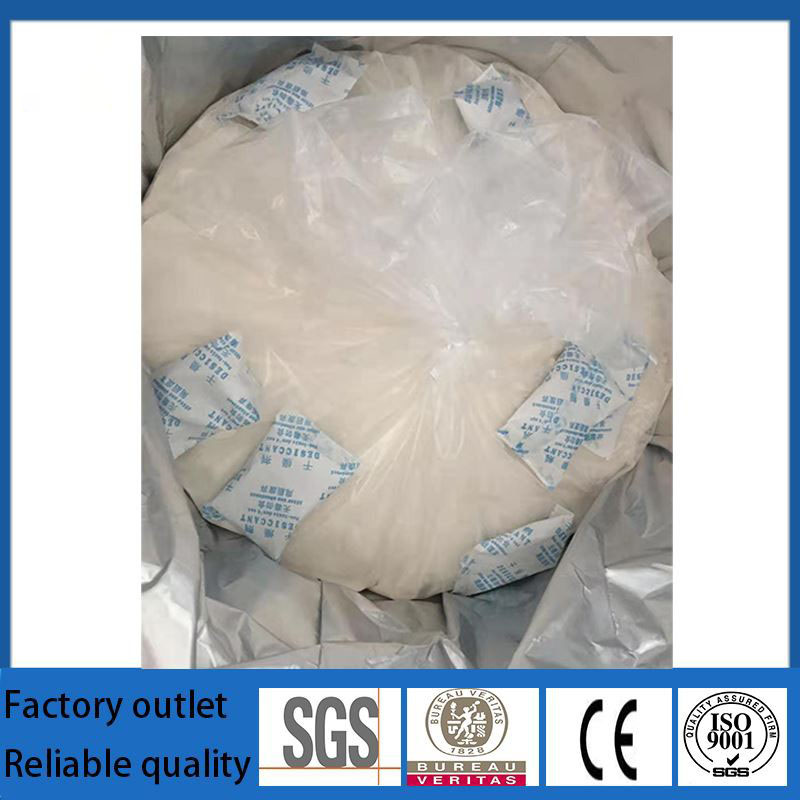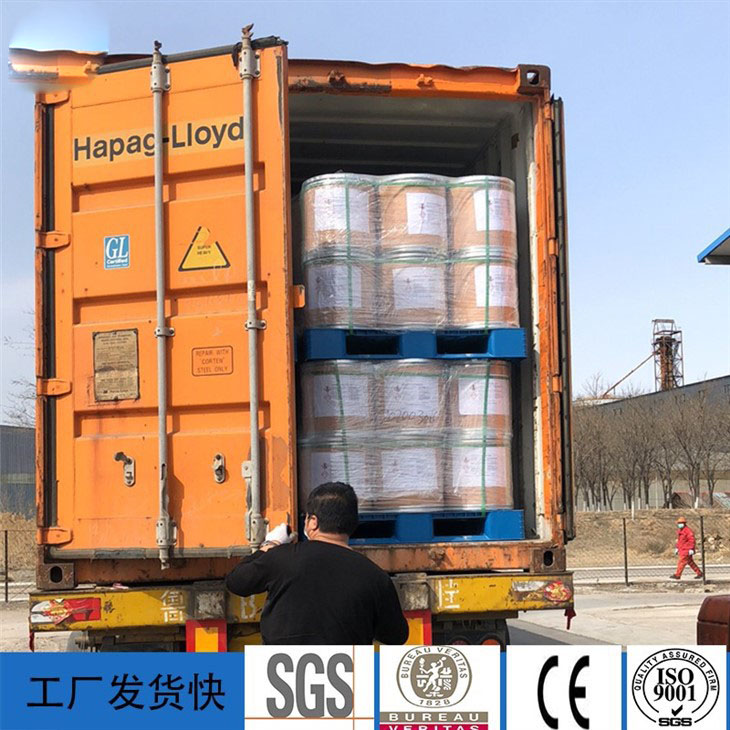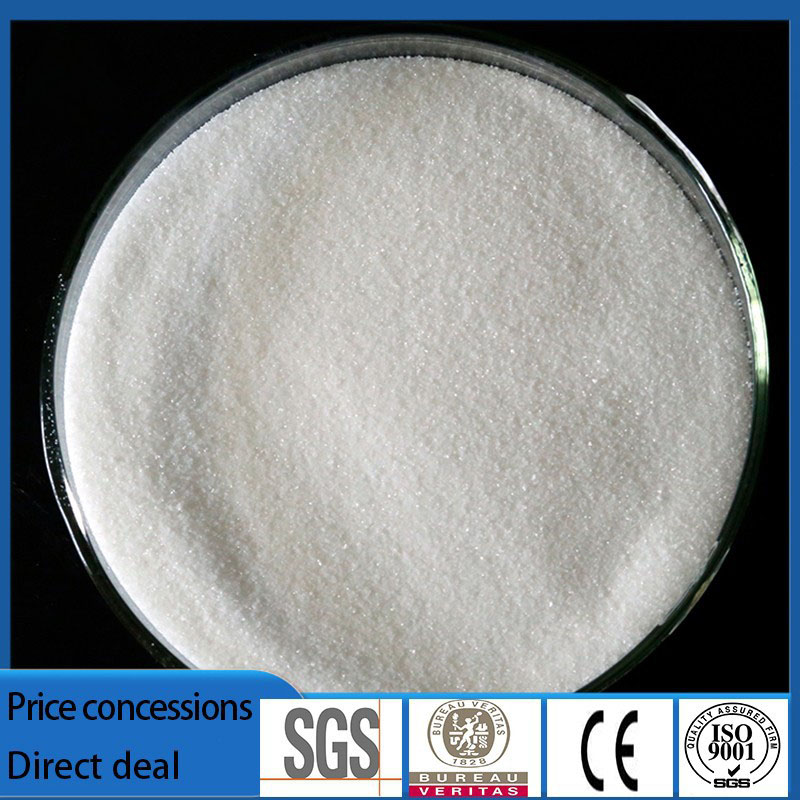

Polyacrylamide (PAM) is a versatile polymer that has found extensive applications in various industries, particularly in wastewater treatment. As a leading Polyacrylamide supplier, we have witnessed firsthand the numerous advantages that this remarkable chemical offers in the field of wastewater management. In this blog post, we will explore the key benefits of using polyacrylamide in wastewater treatment and how it can significantly enhance the efficiency and effectiveness of the treatment process.
1. Flocculation and Sedimentation
One of the primary advantages of polyacrylamide in wastewater treatment is its excellent flocculation properties. Flocculation is the process of aggregating small particles in wastewater into larger, more easily settleable flocs. Polyacrylamide acts as a flocculant by neutralizing the surface charges of suspended particles, causing them to come together and form larger aggregates. This process is crucial for the removal of solids, such as suspended solids, colloids, and organic matter, from wastewater.
The flocculation process facilitated by polyacrylamide leads to improved sedimentation rates. Larger flocs settle more quickly and efficiently, reducing the time required for solids to separate from the liquid phase. This not only speeds up the treatment process but also improves the clarity of the treated water. By enhancing sedimentation, polyacrylamide helps to reduce the load on downstream treatment processes, such as filtration and disinfection.
2. Dewatering of Sludge
Another significant advantage of polyacrylamide is its ability to improve the dewatering of sludge. Sludge is a by - product of wastewater treatment that contains a high percentage of water. Efficient dewatering of sludge is essential to reduce its volume, making it easier and more cost - effective to handle, transport, and dispose of.
Polyacrylamide can be used as a sludge conditioner to improve the dewatering characteristics of sludge. When added to sludge, it helps to bind the solid particles together, reducing the water content and increasing the strength of the sludge cake. This results in higher solids content in the dewatered sludge, which can lead to significant cost savings in sludge disposal. For example, in municipal wastewater treatment plants, the use of polyacrylamide can reduce the volume of sludge by up to 50%, which translates into lower transportation and disposal costs.
3. Removal of Heavy Metals and Phosphorus
Polyacrylamide can also play a role in the removal of heavy metals and phosphorus from wastewater. Heavy metals, such as lead, mercury, and cadmium, are toxic pollutants that can have serious environmental and health impacts. Phosphorus is a nutrient that can cause eutrophication in water bodies, leading to algal blooms and oxygen depletion.
Polyacrylamide can form complexes with heavy metals and phosphorus, facilitating their removal from wastewater. The polymer chains can adsorb these contaminants onto their surface, allowing them to be separated from the water during the flocculation and sedimentation processes. This helps to meet the strict environmental regulations regarding the discharge of heavy metals and phosphorus into water bodies.
4. Compatibility with Different Wastewater Types
Polyacrylamide is available in different ionic forms, including Cationic Polyacrylamide, Nonionic Polyacrylamide, and Anionic Polyacrylamide. This diversity allows it to be used in a wide range of wastewater treatment applications, depending on the characteristics of the wastewater.
Cationic polyacrylamide is typically used for the treatment of wastewater containing negatively charged particles, such as those found in industrial wastewater from the paper and textile industries. Nonionic polyacrylamide is suitable for wastewater with low to moderate turbidity and is often used in the treatment of drinking water. Anionic polyacrylamide is effective in treating wastewater with high suspended solids and is commonly used in the mining and construction industries.
5. Cost - Effectiveness
Using polyacrylamide in wastewater treatment can be cost - effective in the long run. Although the initial cost of polyacrylamide may seem relatively high, its ability to improve the efficiency of the treatment process can lead to significant savings. By reducing the amount of time and energy required for sedimentation and dewatering, polyacrylamide can lower operational costs. Additionally, the reduction in sludge volume can result in lower disposal costs.
Moreover, the use of polyacrylamide can improve the quality of the treated water, reducing the need for additional treatment steps and chemicals. This can further contribute to cost savings in the overall wastewater treatment process.
6. Environmental Friendliness
Polyacrylamide is a relatively environmentally friendly chemical. It is non - toxic and biodegradable under certain conditions. When used in wastewater treatment, it helps to remove pollutants from water, reducing the environmental impact of wastewater discharge. By improving the quality of the treated water, polyacrylamide contributes to the protection of water resources and the ecosystem.
7. Enhanced Treatment Efficiency
The use of polyacrylamide can significantly enhance the overall efficiency of the wastewater treatment process. It allows for faster and more complete separation of solids from water, reducing the load on downstream treatment units. This can lead to higher treatment capacities and better compliance with environmental regulations.
In addition, polyacrylamide can improve the performance of other treatment processes, such as filtration. By forming larger flocs, it can prevent the clogging of filters, increasing their lifespan and reducing maintenance requirements.
Contact for Purchase and Consultation
If you are interested in using polyacrylamide for your wastewater treatment needs, we are here to help. As a reliable Polyacrylamide supplier, we offer high - quality products and professional technical support. Our team of experts can assist you in selecting the most suitable type of polyacrylamide for your specific wastewater characteristics and treatment requirements.
Whether you are a small - scale industrial facility or a large - scale municipal wastewater treatment plant, we can provide you with the right solutions. Contact us today to discuss your wastewater treatment challenges and explore how polyacrylamide can benefit your operations.
References
- Metcalf & Eddy. (2003). Wastewater Engineering: Treatment and Reuse. McGraw - Hill.
- Tchobanoglous, G., Burton, F. L., & Stensel, H. D. (2003). Wastewater Engineering: Treatment, Disposal, and Reuse. Pearson Education.
- Gregory, J. (2005). Coagulation and Flocculation. In Encyclopedia of Separation Science. Elsevier.