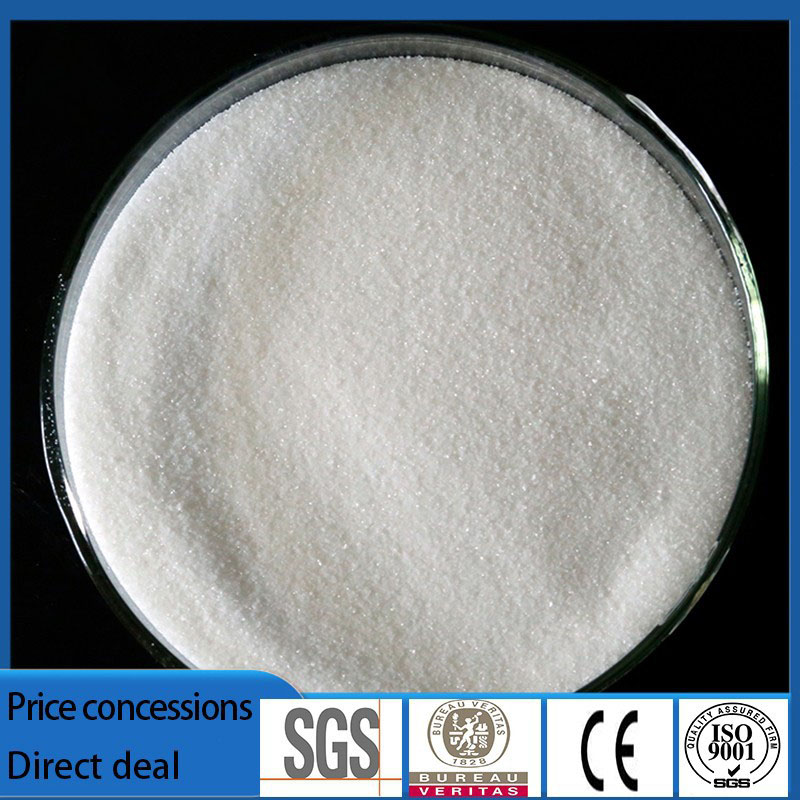

In the realm of polymer production, Pyromellitic Dianhydride (PMDA) stands as a crucial material intermediate. As a manufacturer of PMDA for polymer, I have witnessed firsthand the extensive use of this compound in various polymer - related applications. However, it is essential to delve into the environmental impact of using PMDA in polymer production.
1. Chemical Properties and Applications of PMDA
PMDA, with its chemical formula (C_{10}H_{2}O_{6}), is a white crystalline solid. It is a highly reactive compound due to the presence of two anhydride groups. These anhydride groups make PMDA an ideal candidate for reactions with diamines to form polyimides, which are high - performance polymers. Polyimides find applications in a wide range of industries, including electronics, aerospace, and automotive.
In the electronics industry, polyimides are used for flexible printed circuits because of their excellent thermal stability, mechanical strength, and electrical insulation properties. In the aerospace and automotive sectors, they are employed in components that require high - temperature resistance and lightweight materials. The link PMDA Material Intermediates provides more detailed information about the characteristics and applications of PMDA as a material intermediate.
2. Environmental Impact during Production
The production of PMDA involves several chemical processes, and these processes can have significant environmental implications. One of the primary concerns is the energy consumption during synthesis. The reaction conditions for producing PMDA often require high temperatures and pressures, which demand a large amount of energy. This energy is typically derived from fossil fuels, leading to the emission of greenhouse gases such as carbon dioxide.
Moreover, the raw materials used in PMDA production may be sourced from non - renewable resources. For example, the precursors for PMDA synthesis are often derived from petroleum - based products. The extraction and processing of these raw materials can cause environmental degradation, including habitat destruction, soil pollution, and water contamination.
3. Environmental Impact during Polymerization
When PMDA is used in polymer production, especially in the synthesis of polyimides, there are also environmental considerations. The polymerization reaction may involve the use of solvents. Some of these solvents are volatile organic compounds (VOCs), which can be released into the atmosphere during the manufacturing process. VOCs contribute to the formation of ground - level ozone and smog, which have detrimental effects on air quality and human health.
Additionally, the by - products generated during the polymerization process need to be properly managed. These by - products may contain toxic substances that can contaminate soil and water if not disposed of correctly. For instance, some of the reaction residues may contain heavy metals or other hazardous chemicals.
4. Environmental Impact of End - of - Life Products
Polymer products made with PMDA, such as polyimide - based components, have a long service life in many applications. However, at the end of their life cycle, these products need to be disposed of or recycled. Polyimides are known for their high chemical stability, which makes them difficult to degrade naturally. This means that if not properly managed, they can accumulate in landfills, taking up valuable space and potentially leaching harmful substances into the environment.
On the positive side, there are ongoing research efforts to develop recycling methods for polyimide - based products. Recycling can reduce the environmental impact by conserving resources and reducing the need for new PMDA production. The Pyromellitic Dianhydride 99.5% page on our website provides information about the high - quality PMDA we offer, which can contribute to the production of more recyclable polymers.
5. Mitigation Strategies
As a PMDA manufacturer, we are committed to minimizing the environmental impact of our products. We are constantly working on improving the production process to reduce energy consumption. For example, we are exploring the use of alternative energy sources, such as solar and wind power, in our manufacturing facilities.
In terms of reducing VOC emissions during polymerization, we are researching and implementing new solvent - free or low - VOC polymerization techniques. We also encourage our customers to adopt proper waste management practices for the end - of - life polymer products.
We are also involved in promoting the development of recycling technologies for polyimide - based products. By collaborating with research institutions and other industry players, we hope to find more effective ways to recycle polymers made with PMDA. The Poly pyromellitic dianhydride page on our website showcases our products and our efforts towards sustainable polymer production.
6. Conclusion and Call to Action
The environmental impact of using PMDA in polymer production is a complex issue that requires the attention of all stakeholders, including suppliers, manufacturers, and consumers. While PMDA plays a vital role in the production of high - performance polymers, we must be aware of its environmental consequences and take steps to mitigate them.
As a manufacturer of PMDA for polymer, we are dedicated to providing high - quality products while minimizing the environmental footprint. We invite potential customers to contact us for more information about our PMDA products and our commitment to sustainable development. If you are interested in purchasing PMDA for your polymer production needs, please reach out to us for a detailed discussion. We are eager to work with you to achieve both business success and environmental sustainability.
References
- Smith, J. (2018). Environmental Impact of Chemical Production. Journal of Environmental Chemistry, 25(3), 123 - 135.
- Johnson, A. (2019). Polymer Recycling Technologies. Polymer Science Review, 32(2), 201 - 215.
- Brown, C. (2020). Energy - Efficient Chemical Processes. Chemical Engineering Journal, 45(4), 301 - 312.