
Hey there! As a calcium chloride supplier, I've been getting a lot of questions lately about the side effects of calcium chloride on plants. So, I thought I'd take a deep - dive into this topic and share what I've learned.
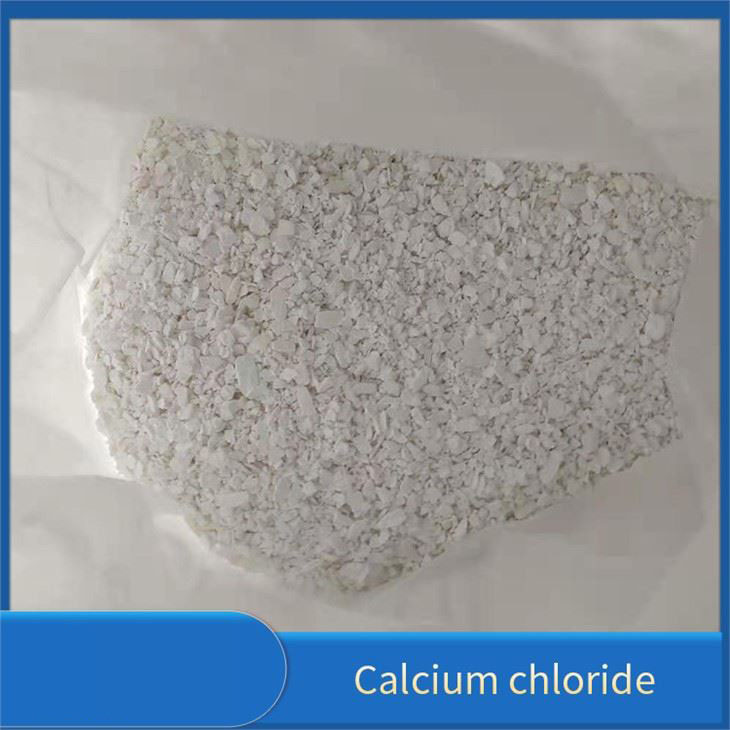
Let's start with a bit of background. Calcium chloride is a salt that's commonly used in a variety of industries. You can find it in things like de - icing agents, food additives, and even some water treatment processes. We offer high - quality products like Calcium Chloride Dihydrate 74% and Calcium Chloride 95% Pellets, which are popular for different applications.
Now, when it comes to plants, calcium chloride can have both positive and negative side effects.
Positive Side Effects
1. Calcium Supply
Calcium is an essential nutrient for plants. It plays a crucial role in cell wall structure and stability. When plants have enough calcium, their cell walls are stronger, which helps the plant resist diseases and pests. For example, in tomatoes, a calcium - rich environment can reduce the incidence of blossom - end rot, a common disorder that causes the bottom of the fruit to turn black and rot. Calcium chloride can act as a source of this vital nutrient. When applied in the right amounts, it can help plants develop a healthy and robust structure.
2. Osmotic Regulation
In some cases, calcium chloride can assist plants in osmotic regulation. Osmosis is the movement of water across cell membranes, and it's essential for a plant's water uptake and distribution. By adjusting the osmotic potential of the soil solution, calcium chloride can help plants better absorb water, especially in situations where the soil has low water availability. This can be particularly beneficial in arid or semi - arid regions.
Negative Side Effects
1. Salt Stress
One of the most significant concerns when using calcium chloride on plants is salt stress. When calcium chloride is applied in excessive amounts, it can increase the salt concentration in the soil. High salt levels in the soil can make it difficult for plants to absorb water. The water potential in the soil becomes more negative than that inside the plant cells, and water actually moves out of the plant cells into the soil. This leads to wilting, stunted growth, and in severe cases, plant death.
For instance, if you're using calcium chloride as a de - icing agent near plants, the runoff from the treated areas can carry the salt into the soil around the plants. This can cause significant damage, especially to salt - sensitive plants like azaleas and rhododendrons.
2. Nutrient Imbalance
Calcium chloride can also disrupt the balance of other nutrients in the soil. It can interact with other ions, such as magnesium and potassium. For example, an excess of calcium ions from calcium chloride can reduce the availability of magnesium ions to plants. Magnesium is essential for chlorophyll production, and a deficiency can lead to yellowing of the leaves (chlorosis). Similarly, potassium is important for various physiological processes in plants, and an imbalance caused by calcium chloride can affect the plant's overall health and productivity.
3. Root Damage
The chloride ions in calcium chloride can be toxic to plant roots. When the concentration of chloride in the soil is too high, it can damage the root cells. This damage impairs the root's ability to absorb water and nutrients. As a result, the plant may show symptoms of nutrient deficiency, even if there are sufficient nutrients in the soil. The roots may also become more susceptible to diseases and pests due to the weakened cell structure.
Mitigating the Negative Side Effects
If you're considering using calcium chloride on your plants, there are ways to minimize the negative side effects.
1. Proper Application Rate
The key is to apply calcium chloride at the right rate. Before using it, you should test your soil to determine its nutrient content and salt levels. Based on the test results, you can calculate the appropriate amount of calcium chloride to apply. It's always better to start with a lower dose and gradually increase it if necessary.
2. Timing of Application
The timing of application also matters. Avoid applying calcium chloride during periods of high heat or drought, as this can exacerbate the salt stress on plants. Instead, choose a time when the plant is actively growing and the soil has sufficient moisture.
3. Leaching
If you've accidentally applied too much calcium chloride, leaching the soil can help reduce the salt concentration. You can do this by watering the soil deeply and allowing the excess water to drain away. This will carry the salts out of the root zone. However, be careful not to over - water, as this can also cause problems for the plants.
When to Use Calcium Chloride on Plants
Despite the potential negative side effects, there are situations where using calcium chloride on plants can be beneficial.
1. Calcium Deficiency
If your soil test indicates a calcium deficiency, calcium chloride can be a quick and effective way to supply calcium to the plants. This is especially true for crops that have a high calcium requirement, such as lettuce, broccoli, and celery.
2. Post - Harvest Treatment
Calcium chloride can also be used in post - harvest treatment of some fruits and vegetables. It can help extend their shelf life by maintaining the firmness of the produce. For example, dipping apples in a calcium chloride solution can prevent them from becoming soft and mushy during storage.

In conclusion, calcium chloride can have both positive and negative side effects on plants. As a supplier, I understand the importance of using it responsibly. If you're interested in our Calcium Chloride Dihydrate 74% or Calcium Chloride 95% Pellets products and want to learn more about how to use them safely on your plants, feel free to reach out. We're here to help you make the best decisions for your gardening or agricultural needs.
References
- Marschner, H. (1995). Mineral Nutrition of Higher Plants. Academic Press.
- Epstein, E., & Bloom, A. J. (2005). Mineral Nutrition of Plants: Principles and Perspectives. Sinauer Associates.