
As a manufacturer of 98% Pyromellitic Dianhydride (PMDA), I understand the importance of proper storage conditions for long-term preservation. PMDA is a vital chemical, well-recognized in various industrial processes, such as being a Raw Material for Foldable Display PI Films. Ensuring its quality during long - term storage is crucial for maintaining its performance in subsequent applications.
Chemical Properties of 98% PMDA
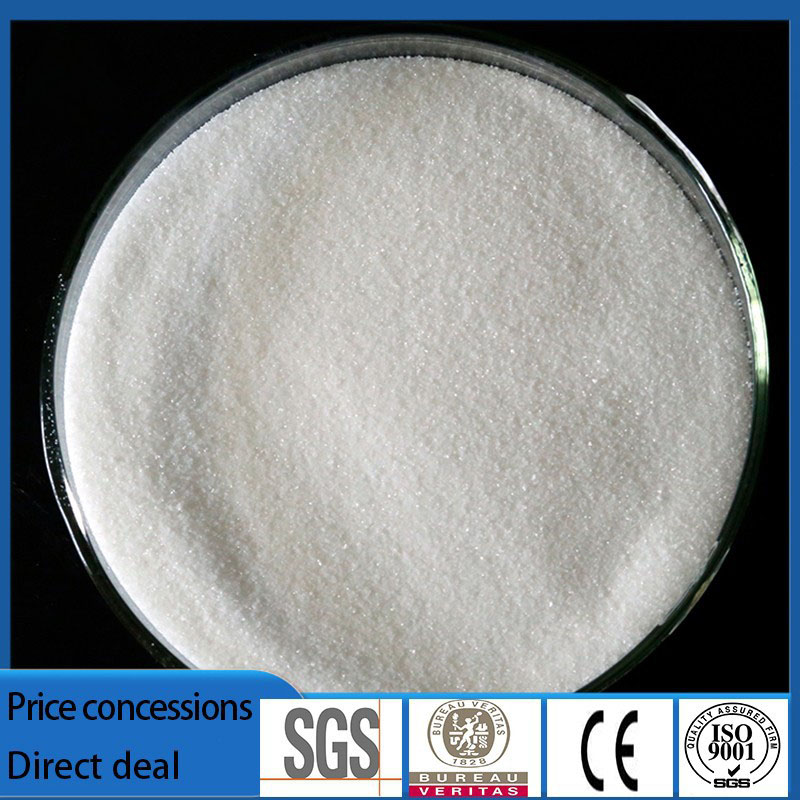
Before delving into the storage conditions, it's essential to understand the chemical nature of 98% PMDA. PMDA, with the molecular formula C₁₀H₂O₆, is a white to light - yellow crystalline powder. It has a high melting point of approximately 286°C and a boiling point of around 397 - 400°C. This chemical is reactive, especially with water and moisture, which can lead to hydrolysis and the formation of pyromellitic acid.
Temperature Requirements
The temperature is a critical factor when it comes to long - term storage of 98% PMDA. PMDA should be stored in a cool environment. A temperature range between 20°C and 25°C is ideal. Higher temperatures can accelerate chemical reactions, potentially leading to degradation of the PMDA. For example, at elevated temperatures, the risk of self - polymerization or reaction with trace impurities in the air increases.
If the storage temperature exceeds the recommended range, the structure of PMDA molecules may change. This can affect its purity and reactivity, which are vital for its use as PMDA Material Intermediates. On the other hand, extremely low temperatures can cause the PMDA to solidify or become brittle, which may also impact its quality. Therefore, it is advisable to use temperature - controlled storage facilities, such as warehouses with air - conditioning systems, to maintain a stable temperature.
Humidity Control
Humidity is another significant concern for storing 98% PMDA. As mentioned earlier, PMDA is highly reactive with water. Even a small amount of moisture can initiate hydrolysis, converting PMDA into pyromellitic acid. This not only reduces the purity of the PMDA but also changes its chemical properties, making it unsuitable for many applications.
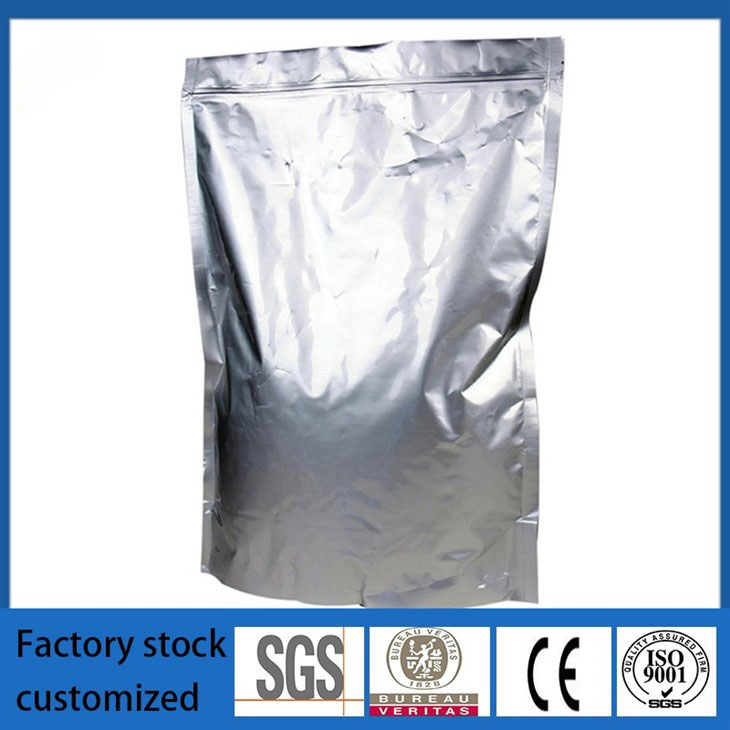
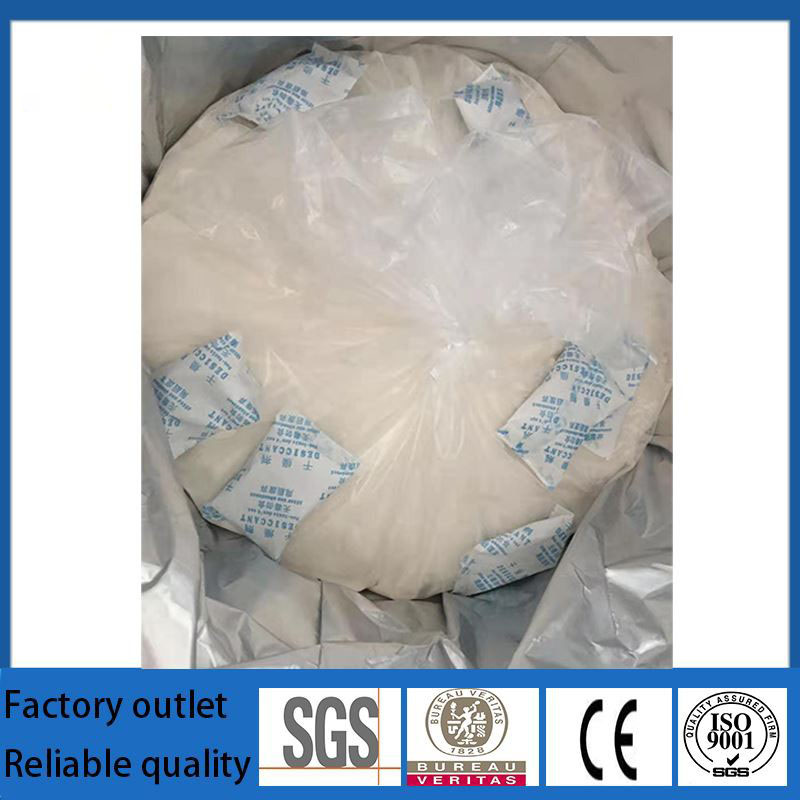
The relative humidity in the storage area should be kept below 50%. To achieve this, dehumidifiers can be installed in the storage facility. Additionally, the storage containers should be air - tight to prevent moisture from entering. Sealed drums or containers made of materials that are resistant to moisture, such as polyethylene or steel with appropriate coatings, are recommended.
Light and Air Exposure
Exposure to light and air can also have a negative impact on the long - term storage of 98% PMDA. Light, especially ultraviolet (UV) light, can initiate photochemical reactions that alter the chemical structure of PMDA. Therefore, the storage area should be kept dark or at least shielded from direct sunlight.
Air contains oxygen and other reactive gases that can react with PMDA over time. Oxidation can occur, leading to the formation of by - products and a decrease in the purity of PMDA. To minimize air exposure, the storage containers should be filled as completely as possible to reduce the air volume inside. Nitrogen purging can be employed to displace the air with an inert gas, further protecting the PMDA from oxidation.
Storage Containers
The choice of storage containers is crucial for preserving the quality of 98% PMDA during long - term storage. As mentioned, the containers should be air - tight to prevent moisture and air ingress. They should also be made of materials that are chemically inert to PMDA.
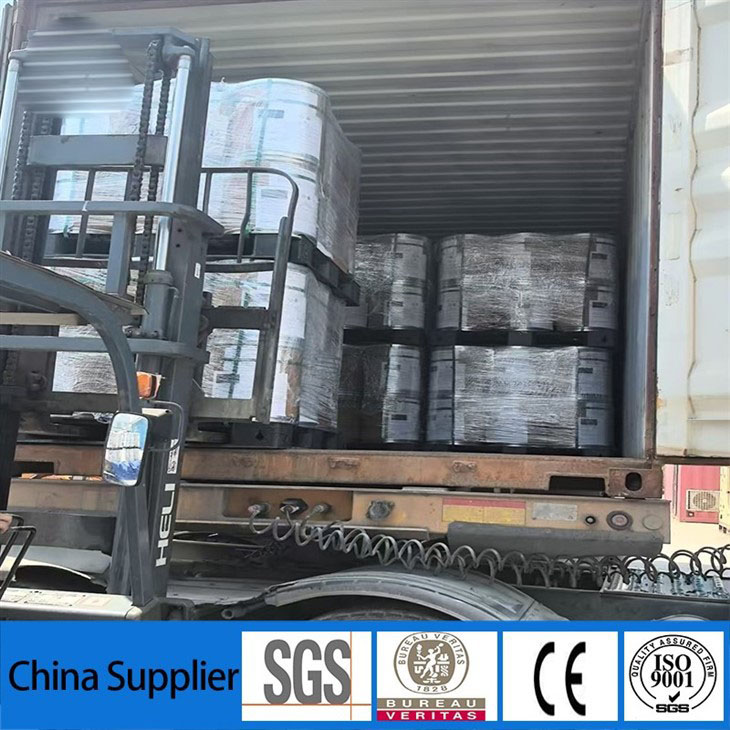
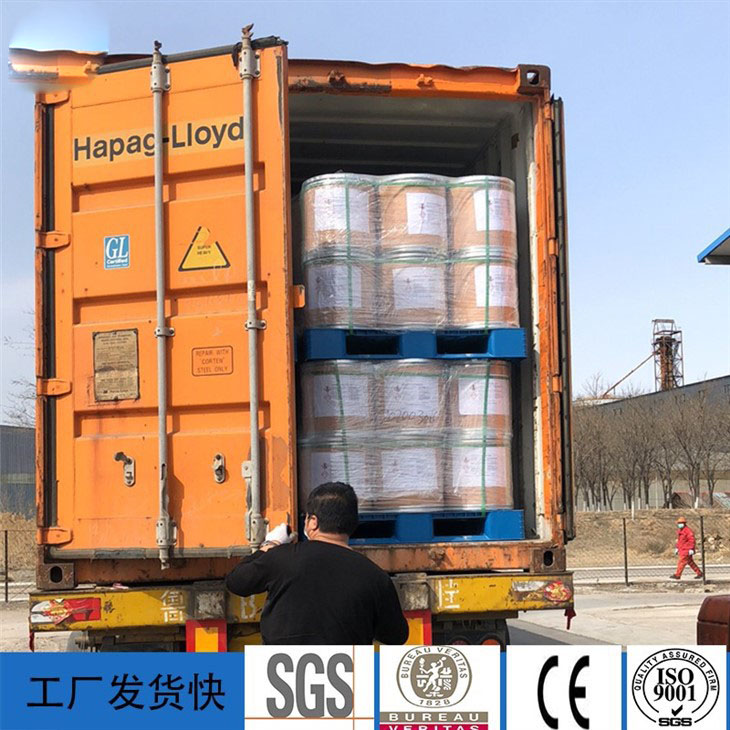
Polyethylene drums are a popular choice due to their low cost, good moisture resistance, and chemical stability. Steel drums with epoxy coatings can also be used, especially for large - scale storage. These drums provide good mechanical strength and protection against external impacts. It's important to label the containers clearly with the name, purity, batch number, and storage instructions of PMDA.
Stacking and Handling
Proper stacking and handling of PMDA containers are also essential for long - term storage. Over - stacking can cause damage to the bottom containers, increasing the risk of leakage. Adequate spacing should be maintained between stacks to ensure good air circulation and easy access for inspection.
During handling, care should be taken to avoid dropping or rough handling of the containers. Any damage to the container can compromise its integrity, allowing moisture and air to enter. Workers should wear appropriate personal protective equipment, such as gloves and goggles, when handling PMDA to prevent direct contact.
Monitoring and Inspection
Regular monitoring and inspection of the stored 98% PMDA are necessary to ensure its quality. Temperature and humidity sensors should be installed in the storage area to continuously monitor these parameters. Any deviations from the recommended range should be addressed immediately.
Visual inspections of the containers should be carried out periodically to check for signs of damage, leakage, or discoloration. Samples of PMDA can also be taken at regular intervals for quality testing. Analytical techniques such as high - performance liquid chromatography (HPLC) can be used to determine the purity of PMDA.
Regulatory Compliance
When storing 98% PMDA, it's important to comply with relevant regulations. Different regions may have specific requirements regarding the storage of hazardous chemicals. For example, there may be regulations on the maximum quantity of PMDA that can be stored in a single facility, the safety distance from other buildings, and the emergency response measures.
It's the responsibility of the supplier to stay informed about these regulations and ensure that the storage conditions meet all the legal requirements. This not only helps to avoid potential fines and legal issues but also ensures the safety of the workers and the environment.
Conclusion
In conclusion, proper storage conditions are essential for the long - term preservation of 98% PMDA. Maintaining a stable temperature, controlling humidity, minimizing light and air exposure, choosing appropriate storage containers, and ensuring proper stacking and handling are all crucial factors. Regular monitoring and compliance with regulations also play important roles in ensuring the quality and safety of the stored PMDA.
If you are interested in purchasing high - quality 98% PMDA, our team is ready to assist you. We have extensive experience in the production and supply of PMDA and can ensure that our products are stored under the best conditions. Feel free to contact us to discuss your procurement needs and explore how Pyromellitic Dianhydride Hs Code can be relevant to your business.
References
Chemical Safety Data Sheet for Pyromellitic Dianhydride.
Industrial Chemical Storage Guidelines.
Research papers on the stability of Pyromellitic Dianhydride under different conditions.