
Transportation requirements for chemicals are of paramount importance to ensure safety, maintain product quality, and comply with various regulations. As a supplier of Calcium Formate 98%, I understand the significance of proper transportation and the specific needs associated with this product. In this blog post, I will delve into the transportation requirements for Calcium Formate 98% and provide insights to help you navigate the process smoothly.
Physical and Chemical Properties of Calcium Formate 98%
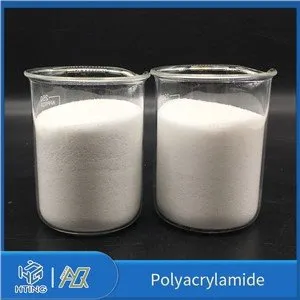
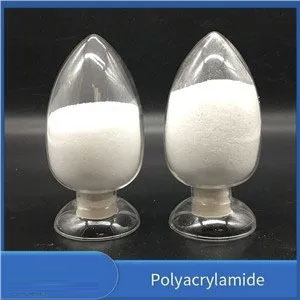
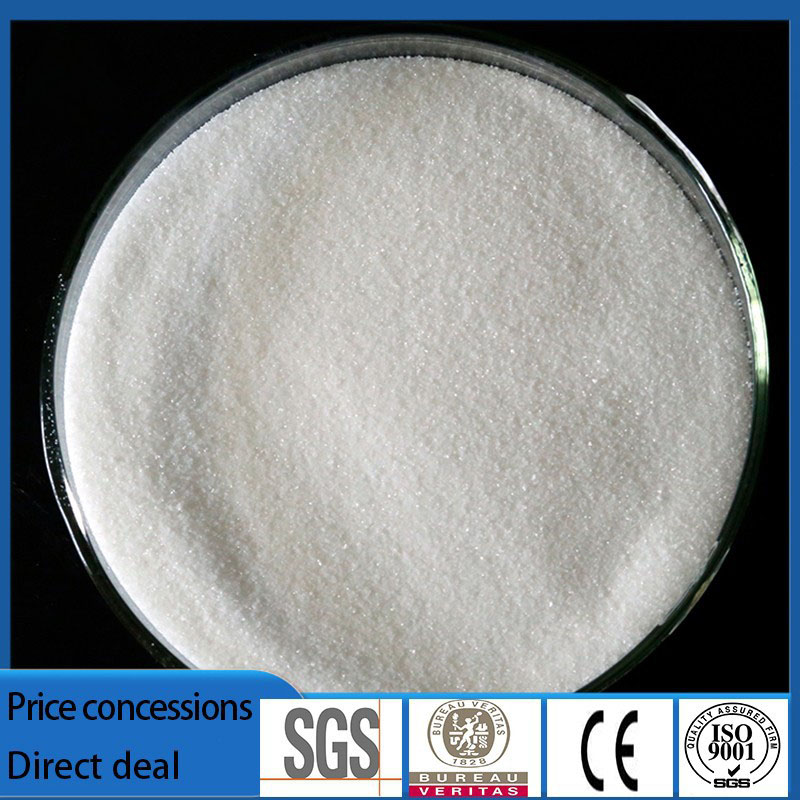
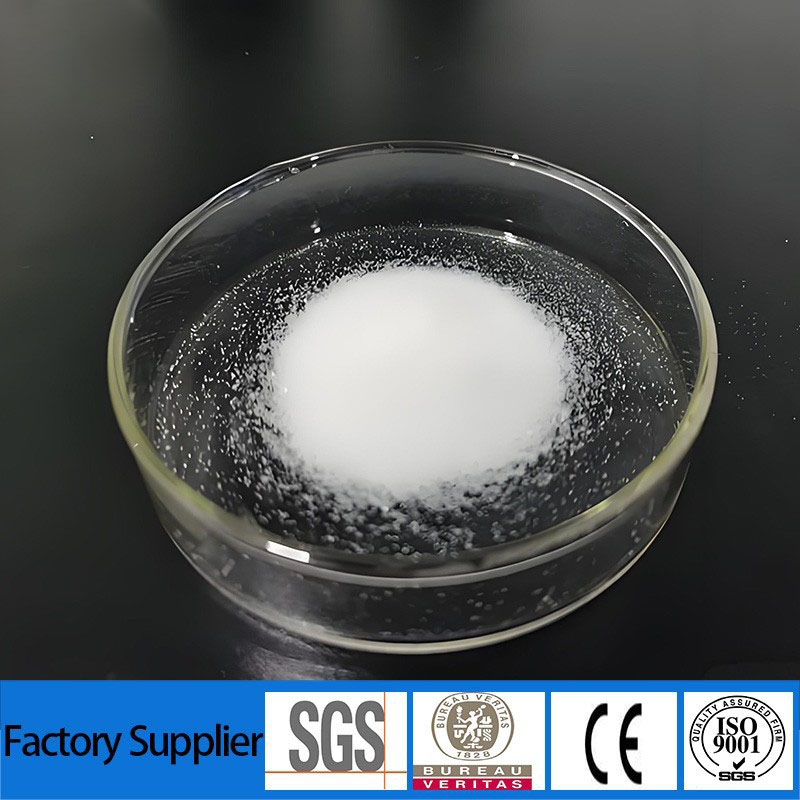
Before discussing transportation requirements, it's essential to understand the physical and chemical properties of Calcium Formate 98%. Calcium Formate, with the chemical formula Ca(HCOO)₂, is a white crystalline powder. It is odorless, soluble in water, and has a relatively low toxicity level. However, like all chemicals, it needs to be handled with care during transportation.
The 98% purity of Calcium Formate indicates a high - quality product that is suitable for a variety of applications. You can learn more about different grades of Calcium Formate on our website, Calcium Formate 98% Tech Grade.
Packaging Requirements
Proper packaging is the first line of defense in ensuring the safe transportation of Calcium Formate 98%. The packaging should be able to withstand the rigors of transportation, including vibration, shock, and changes in temperature and humidity.
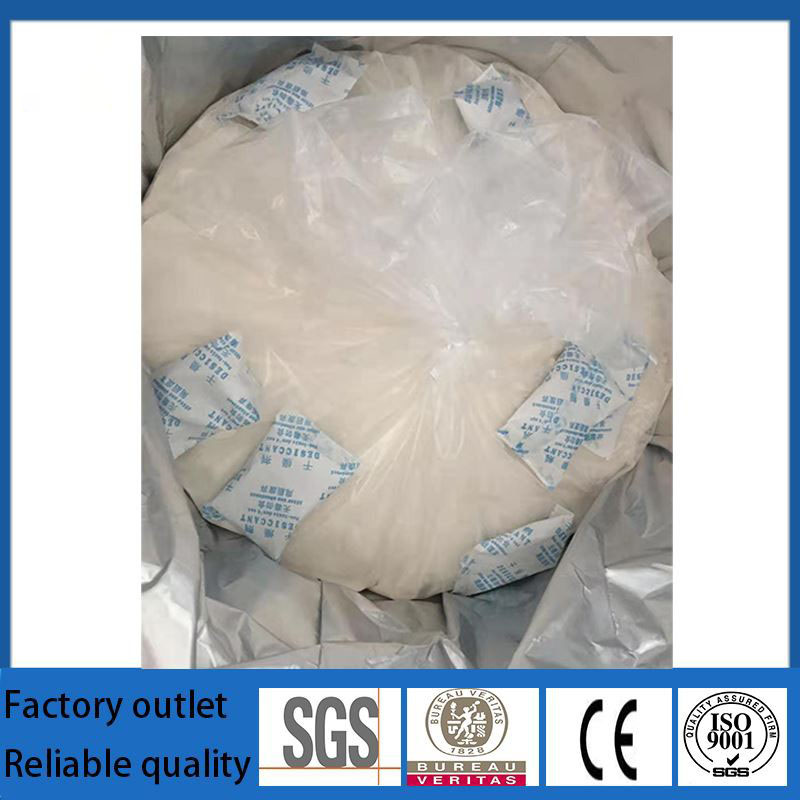
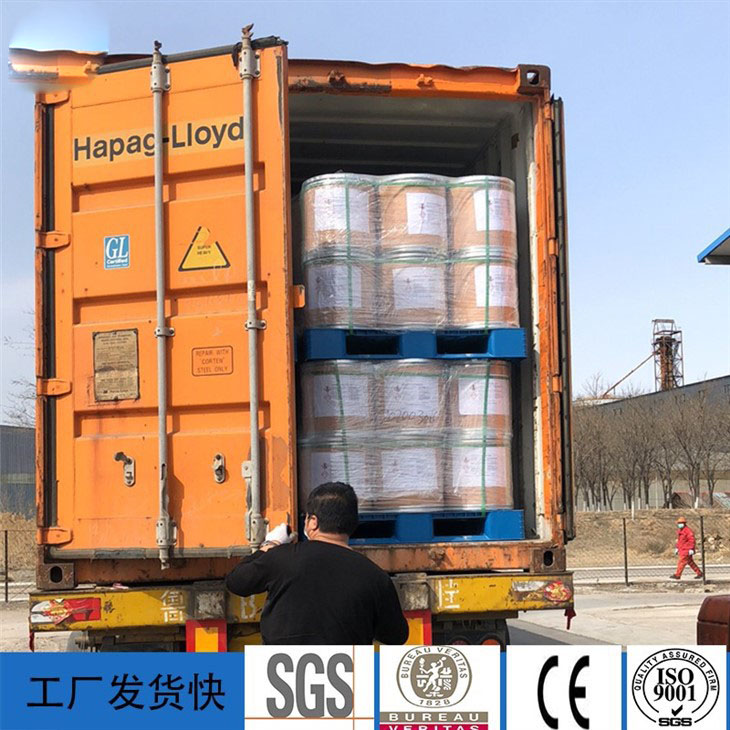
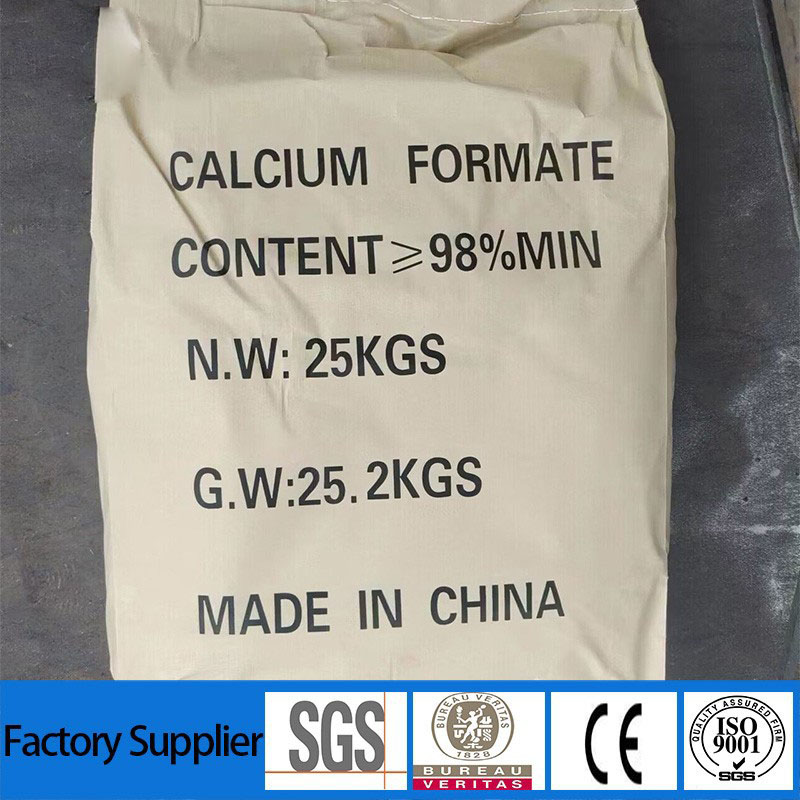
Typically, Calcium Formate 98% is packed in high - density polyethylene (HDPE) bags or drums. HDPE bags are cost - effective and lightweight, making them suitable for smaller shipments. The bags should have a good sealing mechanism to prevent leakage. For larger quantities, drums are a better option as they provide more protection and stability. Drums should be made of corrosion - resistant materials, such as stainless steel or coated steel, to prevent the product from reacting with the container.
Each package should be clearly labeled with essential information, including the product name (Calcium Formate 98%), the chemical formula, the net weight, and any hazard warnings. The labels should be in a language that is understandable to the transportation personnel and the end - users.
Storage Conditions During Transportation
Calcium Formate 98% should be stored in a dry and well - ventilated area during transportation. Exposure to moisture can cause the product to clump, which may affect its quality and performance. Additionally, high humidity levels can lead to corrosion of the packaging materials, increasing the risk of leakage.
The temperature during transportation should be kept within a reasonable range. Extreme temperatures, both hot and cold, can potentially damage the product. High temperatures may cause the product to decompose or lose its purity, while cold temperatures can cause the product to solidify, making it difficult to handle.
Regulations and Compliance
When transporting Calcium Formate 98%, it is crucial to comply with all relevant national and international regulations. In the international arena, the International Maritime Dangerous Goods (IMDG) Code and the International Air Transport Association (IATA) Dangerous Goods Regulations govern the transportation of chemicals by sea and air, respectively.
In the United States, the Department of Transportation (DOT) has strict regulations regarding the transportation of chemicals. These regulations cover aspects such as packaging, labeling, documentation, and training of transportation personnel. Failure to comply with these regulations can result in significant fines and legal consequences.
It is also important to note that Calcium Formate 98% may be subject to specific regulations in different countries. For example, some countries may have restrictions on the import or export of certain chemicals, or they may require additional documentation for customs clearance. Therefore, it is essential to research and understand the regulations of the destination country before shipping.
Transportation Modes
There are several transportation modes available for Calcium Formate 98%, each with its own advantages and considerations.
Road Transportation
Road transportation is a common choice for short - to medium - distance shipments. It offers flexibility in terms of delivery schedules and can reach remote locations. However, road transportation is also subject to traffic conditions, which can cause delays. When transporting Calcium Formate 98% by road, the vehicle should be equipped with proper safety features, such as spill containment equipment and fire - fighting devices.
Rail Transportation
Rail transportation is suitable for large - volume shipments over long distances. It is generally more cost - effective than road transportation and has a lower environmental impact. However, rail transportation may have limited access to certain locations, and the transfer of goods between rail and other modes of transportation may require additional handling.
Sea Transportation
Sea transportation is the preferred mode for international shipments. It can handle large quantities of goods at a relatively low cost. When shipping Calcium Formate 98% by sea, the product should be loaded in a container to protect it from the elements. The container should be properly secured to prevent movement during transit. You can find more information about the applications of Calcium Formate in our Calcium Formate For Concrete page.
Air Transportation
Air transportation is the fastest mode of transportation but is also the most expensive. It is suitable for urgent or high - value shipments. However, due to the strict safety regulations for air cargo, the packaging and documentation requirements for Calcium Formate 98% are more stringent when shipped by air.
Documentation
Proper documentation is essential for the transportation of Calcium Formate 98%. The following documents are typically required:
- Bill of Lading: This document serves as a contract of carriage between the shipper and the carrier. It includes information such as the product description, quantity, origin, and destination.
- Safety Data Sheet (SDS): The SDS provides detailed information about the chemical properties, hazards, and safety precautions of Calcium Formate 98%. It is mandatory for transportation and is used by emergency responders in case of an accident.
- Packing List: The packing list details the contents of each package, including the quantity and weight of Calcium Formate 98%.
- Customs Declaration: For international shipments, a customs declaration is required to clear the goods through customs. It includes information about the value of the goods, the country of origin, and any applicable tariffs.
Training of Transportation Personnel
All personnel involved in the transportation of Calcium Formate 98% should receive proper training. This training should cover topics such as the physical and chemical properties of the product, the correct handling procedures, the use of safety equipment, and the response to emergencies.
Trained personnel are more likely to handle the product safely, reducing the risk of accidents and ensuring the quality of the product during transportation. They should also be aware of the relevant regulations and compliance requirements to avoid any legal issues.
Contact for Purchase and Further Information
If you are interested in purchasing Calcium Formate 98% or have any questions regarding transportation or other aspects of the product, please feel free to contact us. We have a team of experts who can provide you with detailed information and assist you in making the right decision. You can also visit our Formic Acid, Calcium Salt (2:1) page for more product - related details.
References
- International Maritime Dangerous Goods (IMDG) Code
- International Air Transport Association (IATA) Dangerous Goods Regulations
- United States Department of Transportation (DOT) Regulations